When Good Care Isn't Good Enough
Charles Bates was getting better.
Just hours after brain surgery, he was doing what came naturally to him – talking, philosophizing, and engaging anyone willing to listen. A teacher by profession and temperament, Charles had a gift for drawing people toward him. Even from his hospital bed, his enthusiasm for life seemed undiminished.
His wife, Vonda, had reason to feel hopeful. The surgery had gone well. His thinking was again clear. The man she knew and loved was finding his way back to her.
Or so it seemed.
Twelve days after entering the hospital, Charles was dead.
Not from the brain injury that had brought him there, the result of a fall from just a few feet. Not from the surgery that had successfully treated it. But from an undetected blood clot that developed during his recovery, while he was surrounded by people dedicated to helping him get well.
How could that have happened?
I learned of Charles's story while writing a book about how decisions made in hospital boardrooms ripple all the way through to the patient's bedside. Having spent my career in healthcare, I am familiar with the problems that can arise when responsibility is divided among departments and clinical teams. Charles's experience was particularly unsettling. Here was a man who seemed to have everything going for him: dedicated clinicians, a devoted family, and a promising recovery.
How could such apparently good care end so badly?
Sadly, Charles's story is far from unique.
Researchers estimate that nearly 800,000 Americans die or suffer permanent disabilities each year from medical errors involving the failure to recognize or correctly diagnose serious conditions. Numbers that large eventually stop looking like people. They become faceless figures, statistics we shake our heads over and then put aside.
But Charles Bates, like every patient, was not a number. He was a husband, a father of four, a grandfather of six, and a beloved teacher whose family and friends were following his recovery with mounting optimism. His mother, Lottie, was among those who had every reason to expect him home again.
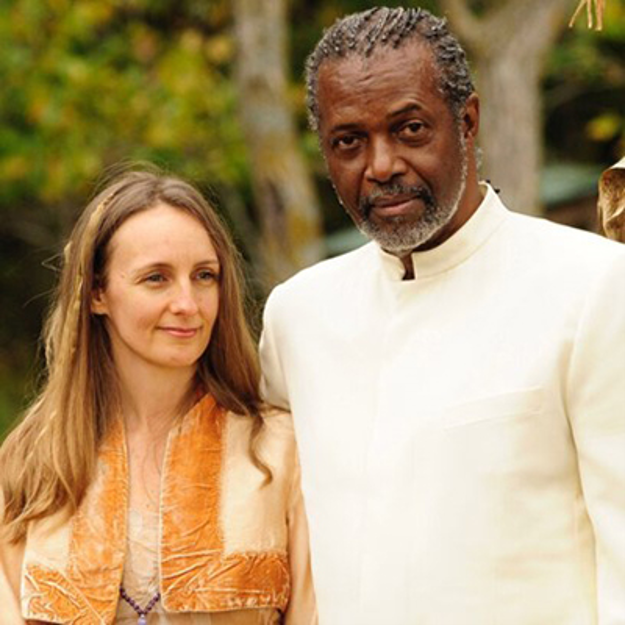
And Vonda, his wife, was beside him through it all.
She slept in the hospital every one of those twelve nights. During rehabilitation, she walked alongside Charles through the corridors, a strap connecting them so she could help steady his tall frame. It is an image that has remained with me, a woman literally tethered to the man she loved, helping him find his footing as he made his way back toward an ordinary life.
Except that life was slipping away, and no one seemed to recognize it.
In the days following surgery, Charles began experiencing troubling symptoms. Shortness of breath. Chest pain. Pain in his leg. Numbness, weakness, and episodes of anxiety that were out of character. Individually, symptoms like these can have several explanations. Together, particularly in a patient recovering from surgery, they can indicate something far more serious.
Charles had been developing a blood clot. But no one knew.
Over the course of his twelve-day hospitalization, he had been transferred to eight different locations, including intensive care, rehabilitation, and cardiac care. Each move brought new surroundings, new clinicians, and another round of explanations. Vonda found herself recounting his symptoms and her concerns that she had already shared with Charles’s other clinicians, some in departments just a few feet away.
A new room. A new set of faces. Another fresh start.
The hospital was filled with people who knew something about Charles’s condition. But Vonda was the only one who had been there during every moment of his recovery.
She could describe what had changed along the way and when it occurred. She knew when something wasn't quite right. She could tell the nurses and doctors what she had seen, and she did. But, of course, she could not interpret the medical significance of those changes.
After all, that was why Charles was in a hospital.
The medical staff were attentive, and Vonda has spoken warmly of their kindness. Yet Charles's care was divided among specialists, each concentrating on a particular aspect of his condition. The neurosurgery team was focused on the brain injury that had initially brought Charles to the hospital, and other clinical teams often looked to the neurosurgeons for guidance. Meanwhile, symptoms that might have suggested a blood clot were not brought together into a diagnosis.
There was another complication. Because of the danger of bleeding following his brain injury, Charles was not receiving medication to prevent blood clots. Vonda later wrote that no one had explained this to them. And how could they have known to ask?
Charles's successful treatment for one serious condition had left him vulnerable to another. Recognizing that danger required looking beyond the boundaries of any one specialty. Each team knew a chapter of Charles's story. But no one seemed to be reading the entire book, much less between the lines.
Why didn't the teams simply talk to one another?
It's a fair question. An obvious one, too. Hospitals have procedures for transferring patients, medical records that follow them from unit to unit, and reports intended to ensure that important information doesn't get lost along the way.
But a chart is not a conversation. A summary captures a moment, not necessarily the course of an illness. And a symptom that seems relatively unremarkable on its own may take on an entirely different meaning when considered alongside others.
Imagine a physician, nurse, or care coordinator stepping back to review what has happened over several days. Shortness of breath. Leg pain. Chest discomfort. Symptoms reported at different times, perhaps to different people. Might they be telling a larger story?
Connecting those dots requires more than medical records. It takes time, communication, and someone responsible for making sure the pieces fit together.
Charles's experience suggests how easily that responsibility can become blurred.
On the twelfth day, Father's Day, his daughter Ananda came to visit for lunch. Charles was in good spirits, as he so often was when surrounded by family. After all that had happened, there was still reason to believe he was on his way home.
Later that afternoon, during an EKG, Charles turned toward Vonda. His eyes widened.
"It's happening again," he gasped.
Vonda called for help.
Suddenly, the room filled with people. Medical staff rushed to Charles's side. A chaplain appeared, an ominous presence amid the commotion. Charles was hurried toward intensive care, Vonda running alongside his gurney. It was the first time she heard the words pulmonary embolism.
Thirty minutes later, her husband was gone.
How does a family begin to make sense of such a loss?
It's tempting to search for one person to blame. Perhaps individual decisions deserve scrutiny. But focusing solely on individual actions risks overlooking something equally important, the system in which those decisions are made. Determining what went wrong, and why, is essential if such tragedies are to be prevented.
After Charles's death, Vonda met twice with hospital representatives, hoping to find answers and, perhaps more importantly, to help ensure that other families would not endure the same loss.
According to her account, one hospital manager responded bluntly to her concerns: "People die in hospitals every day."
It's difficult to imagine a more insensitive and dismissive response to a grieving widow seeking an explanation.
Yes, of course, people die in hospitals. But surely that makes it all the more important to understand which deaths might have been prevented and what could be learned from them.
Vonda later wrote of the painful sense that once Charles died, he had ceased to be a patient receiving care and had become a "managed risk." It's a chilling description of how an institution can appear more concerned with protecting itself than understanding what happened to the person who had placed his life in their hands. Hospitals certainly have legal and financial responsibilities when patients die. But those responsibilities should never displace the obligation to listen, learn, and, when necessary, change.
For Vonda, that work did not end when she left the hospital.
In the years since, she has devoted herself to improving patient safety, working with healthcare organizations and public health agencies, and telling Charles's story wherever it might help prevent another tragedy.
I imagine it hasn't been easy and never will be. Every retelling must bring back some measure of the grief that first set her on this path. Yet she continues, determined that her husband's death might teach something to those entrusted with the lives of others.
Charles was, by all accounts, a wonderful teacher. His enthusiasm, warmth, and love of ideas drew people to him. Vonda has said that she hopes his life and death will continue to reach and teach as many people as possible.
When I think of Charles and Vonda, I keep returning to the image of them walking side by side through those hospital corridors, tethered together. Room after room, she remained at his side, steadying him, watching him, listening to him, remembering what had happened the day before and noticing what was different today.
She never lost sight of the man he was.
If only the hospital had been able to do the same.